

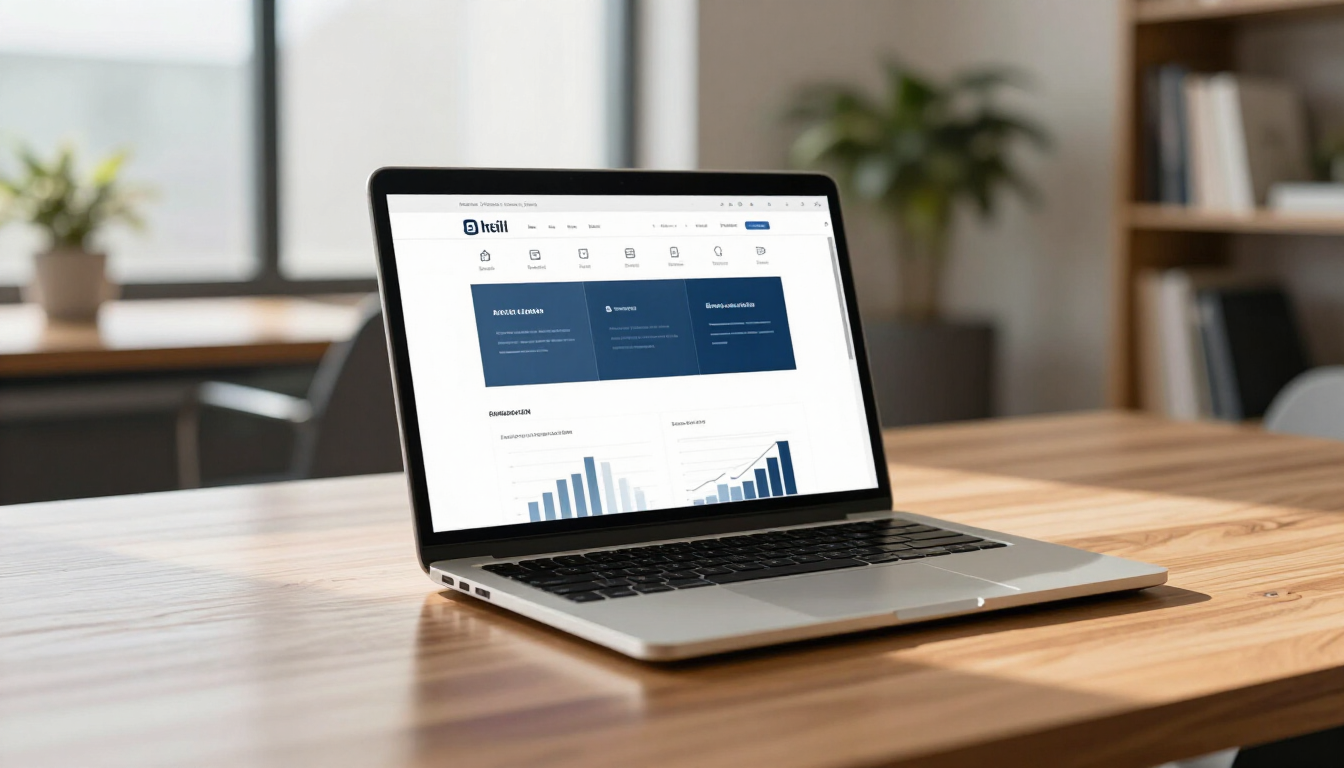



How Powerful Business Websites Help UK Businesses Grow in 2026 According to Stanford Web Credibility Research, 75% of consumers judge a company’s credibility based on its website design. For many small and medium-sized businesses, this crucial first impression often dictates whether a visitor stays on your site or moves on. If your current site feels slow or dated, you risk losing valuable enquiries before you even have a chance to connect with a potential client. We observe this pattern consistently in locations like Sherborne, Yeovil, Bristol, Newcastle upon Tyne, High Wycombe, Taunton, and the wider Scotland region, where outdated sites frequently fail to load quickly on mobile phones, hide essential information, and offer no clear path for visitors to contact you. Ultimately, this results in lower search rankings and fewer quality leads. Trend 1: Mobile-first responsive design becomes non-negotiable With the majority of visitors now arriving on smartphones, a responsive web design that adapts instantly is crucial. This not only keeps people engaged on your page but also signals professionalism to search engines. Businesses that overlook this trend often experience higher bounce rates and weaker local visibility. The real opportunity lies in building sites that feel intuitive and 'native' on every device, turning casual browsers into serious enquiries through clear navigation and fast, responsive interactions. At B & D Creative, we achieve this by rigorously testing layouts on real phones and tablets before your site goes live. Trend 2: Speed and performance directly affect trust and rankings Research from Google and SOASTA reveals a critical fact: 53% of mobile users will abandon a site if it takes more than three seconds to load. Beyond user frustration, slow page speeds also significantly hurt your position in search results. Building a truly powerful business website , therefore, begins with lean code, optimised images, and reliable hosting. The commercial opportunity is undeniable: faster loading sites consistently convert more visitors into customers. To achieve this, we meticulously optimise every element of your site, ensuring your pages open quickly and smoothly even on weaker connections, with clients frequently reporting higher engagement and a noticeable increase in form submissions after these improvements. Trend 3: Built-in lead generation and easy content updates The Ofcom’s Adults’ Media Use and Attitudes 2024 report highlights a significant concern: 53% of UK adults remain unsure about spotting online scams. This underscores the need for strong trust signals and straightforward contact paths to reassure cautious visitors. Furthermore, with 26% of UK small business websites now incorporating online booking or e-commerce features, it’s clear that robust conversion tools are becoming standard. The clear opportunity is to transform your website from a static brochure into a dynamic engine for lead generation . We integrate clear calls-to-action, user-friendly forms, and a powerful content management system that empowers you to update your site yourself. This approach ensures your online presence remains fresh, relevant, and engaging. It also means you won't require constant technical assistance to keep it updated. Trend 4: SEO and user experience work together from day one Effective search visibility and persuasive design are no longer separate concerns; they now work hand in hand. A website that ranks highly but then frustrates or confuses visitors essentially wastes the valuable traffic it attracts. Our custom website solutions expertly combine robust technical SEO, intuitive user journeys, and strong trust signals to deliver significantly better results than focusing on either element in isolation. We build these essential foundations into your site from day one, ensuring your online presence grows seamlessly alongside your business. This approach provides you with a robust platform that consistently attracts quality customers and can easily support future features and expansions without the need for a costly full rebuild. Key takeaways for your next website project To ensure the success of your next UK web development project, focus on mobile responsiveness, rapid loading speeds, effortless content updates, and clear conversion paths. Prioritising these four crucial areas transforms a basic online presence into a genuine asset for business growth. Partnering with a hands-on expert like B & D Creative ensures you avoid common pitfalls and gain a high-performing site that delivers results year after year. See how we have helped other UK businesses achieve these outcomes in Our Work. We also offer ongoing support through our Services packages. Ready to build a site that works harder for you? A truly powerful business website can significantly expand your reach and consistently attract the ideal customers you want, serving as a cornerstone for sustainable growth. Ready to explore how we can achieve this for you? Get a Free Consultation with B & D Creative today, and let’s discuss how we can create a high-performing site tailored specifically to your business goals.
Discover why updating your website is crucial for SEO, user experience, and conversions. Learn the top reasons to redesign your site in 2026 for business growth.
Learn how a custom mobile app increases sales and streamlines communication. Explore push notifications, loyalty schemes, and enhanced customer engagement strategies for your UK business.

There are so many good reasons to communicate with site visitors. Tell them about sales and new products or update them with tips and information.